

Oral Acrylic: A Wonder Product
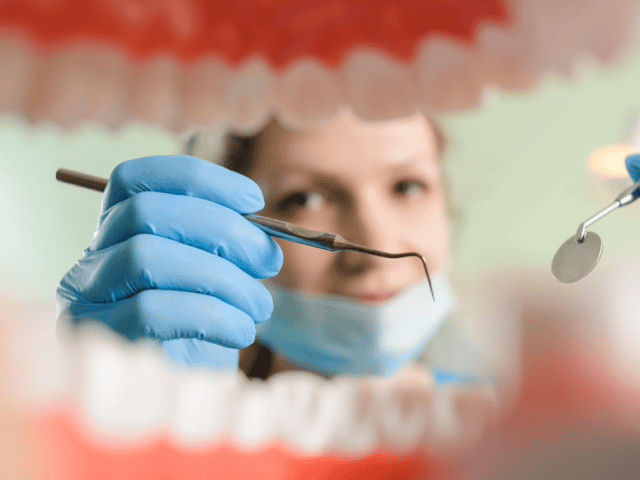
When people imagine fake teeth, porcelain usually comes to mind first. It’s been the top pick for ages and feels like the reliable choice. But times have shifted. Acrylic, a newer material, brings some fresh perks that traditional ceramics can’t offer. Acrylic doesn’t just belong to teeth; it’s found in things like fake nails and shatter-resistant glass. In dental work, acrylic plays many roles and truly stands out. Anyone looking for smarter, modern tooth options might find this a real eye-opener and a game changer. Keep reading to discover why this simple switch could make a big difference.
The Benefits of Acrylic Over Porcelain
Every American kid is instructed in grade school that George Washington had a collection of wooden teeth. Though this is a famous part of his lore undoubtedly it is misconception versus fact. This is instead very easy to accept. Wood as a prosthetic would have a hard time bearing the physical demands needed of it (over 200 pounds of stress are placed on the teeth during chewing) along with the aesthetic needs. In truth one of the two products was probably made use of. These would certainly be either donkey teeth or porcelain.
For many years porcelain has actually been the selection product for dentists. Not only does it provide a resilient as well as visual replacement, yet additionally it is stain immune. In spite of these qualities, there are several disadvantages to the product. First off it is rather fragile. This means that when too much stress is put on it, it is liable to crack as well as wear down. In addition, because it is such a tough product, it tends to cause obvious wear against the all-natural teeth below or above it.
Finally, porcelain is a fairly costly alternative. This is because of the extreme quantity of labor that must go into the manufacturing of each collection of teeth. Initially, the collection of teeth has to be molded by hand out of a special type of clay. Next, they need to be heated up in a kiln at over 1400 levels Fahrenheit. At such an extremely warm breaking is an accepted part of the procedure, consequently, often the procedure has to be begun around.
Oral acrylic, comparatively, is very easy to make. First, an impression is taken using a dental perception product. Then a quick-drying powder mix is added to develop the prosthetic. This implies that acrylic teeth often tend to be both substantially less costly in addition to simpler to create. An additional advantage of the miracle material is that it is durable yet fairly flexible. This suggests breaking occurs much less regularly. Actually, the only benefit of porcelain over acrylic is that due to its firmness it might have a somewhat longer life.
Various Other Uses of Acrylic
The polymer can be called a marvel material thanks to its several feasible uses. In the field of dentistry using this product is not restricted to the development of prostheses. In fact, it has a very variety of applications. These consist of use in dental impacts; used as a veneer in crowns; use in temporary treatments, like bridges; use in dentures; use in implants, and utilize in mouthpieces when you browse around this website.