

Safer Senior Travel Tips Wander Far Worry Less Guide
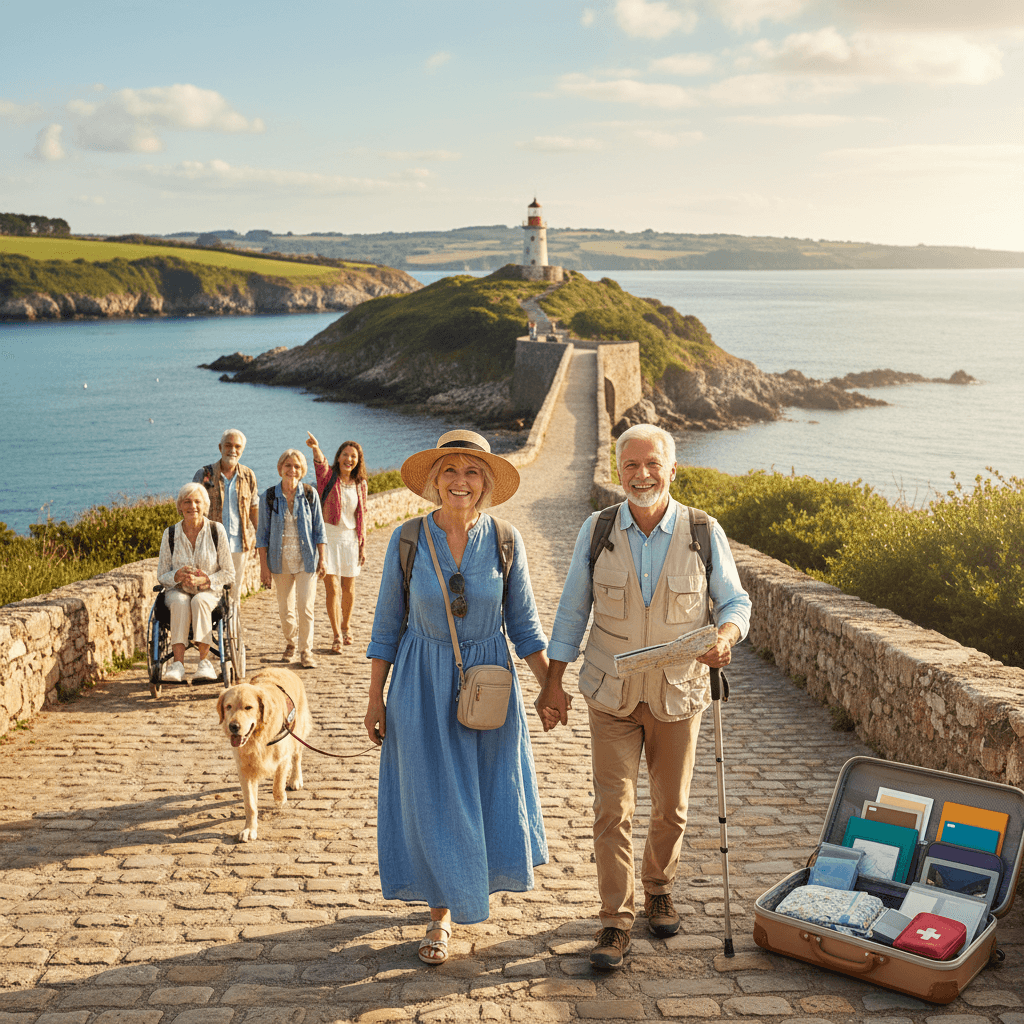
Travel opens new worlds and fresh rhythms no matter the age. Many older adults enjoy the thrill of a trip and find that smart planning and small adjustments make the journey safer and more comfortable. Helpful tips ease travel troubles, letting travelers dive into the fun parts—checking out amazing places and making great memories with friends or family. Simple changes can turn a tough trip into a smooth ride, making every step easier. Readers who want to discover secret tricks to turn travel into pure fun will find plenty to love here.
The tips that follow are drawn from real travel scenarios and simple routines that work for most people. Expect checklists for health and paperwork, ideas for mobility and transport choices, ways to guard money and identity, and steps to stay healthy while on the move. Use these ideas to create a personal travel plan that fits your pace and preferences.
Safer Senior Travel Tips Wander Far Worry Less Guide core principles
Start with a clear personal plan that covers health, timing, and risk management. Think ahead about what could go wrong and what will make a good trip simple and restful. For example carry a short medical summary on paper and a digital copy, pack a small travel first aid kit, and choose travel times that match your energy levels. Simple steps reduce stress and keep the trip smoother.
Set realistic daily goals while traveling. A schedule with one main activity and light options lets you enjoy exploration without overdoing things. Plan for rest breaks and set out contingency ideas so you can change plans without worry.
Planning medical and medication needs
Health preparation is central to safer travel for older adults. Before you go visit your primary clinician for a checkup and talk about any planned activities and locations. Ask about vaccinations, altitude concerns if you plan to climb, and whether your current medications are safe to take while flying or in different climates.
- Make a medication list that includes generic names, dosages, and the condition treated. Keep one copy in a bag and one copy in your luggage.
- Use a pill organizer for daily doses and keep extra medication in carry on luggage. Many airports require medications to be in labeled containers for security checks.
- Carry an emergency contact card that lists allergies, chronic conditions, and your primary clinician phone number. Place it in your wallet and one in your day pack.
Choosing senior friendly transport and routes
Choosing the right transport reduces fatigue and unexpected problems. When booking flights aim for direct or single connection itineraries to lower the risk of missed connections. If driving pick routes with frequent rest stops and predictable services. For train or bus travel reserve seats near doors and restrooms when possible to reduce long walks on and off vehicles.
Check the mobility help that airports and stations offer. Many providers offer pre booked porter or wheelchair help. Reserve this service in advance so staff can be ready when you arrive. If you use a mobility device confirm shipping rules for that device with your carrier.
Packing smart for comfort and safety
Packing with care makes moving around simpler and keeps important items close. Choose layered clothing that can handle temperature shifts on planes and in new climates. Pick shoes with non slippery soles and firm support for uneven sidewalks. Keep a compact travel blanket and pillow for extended travel segments where rest is important.
Essential safety items
- Small first aid kit with blister care and basic wound supplies
- Brightly colored card with emergency contacts and medical notes
- Portable phone charger and a backup battery stored in carry on
Tech and paperwork
Keep paper copies of travel tickets, insurance, and prescriptions in one folder. Store digital copies in a secure cloud account so family can access them if needed. For phones use a clear home screen contact labelled ICE for easy reach by helpers. If you prefer low tech a laminated card with the same information works well.
Staying healthy on the road
Simple habits reduce the chance of illness and fatigue while traveling. Hydrate regularly and limit caffeine and alcohol during long transit days. Break up long sitting periods by standing and walking for five minutes every hour. If you are prone to deep vein thrombosis wear compression socks when advised by your clinician.
Food choices matter. Balance meals with protein, vegetables, and fiber to keep energy steady. In new places choose busy eateries and look for visible hygiene practices. When in doubt choose cooked foods over raw options. Rest and sleep are critical. Try to arrive at destinations with enough daylight left to adjust and sleep at normal local times when possible.
Managing mobility and accessibility abroad
Mobility support and thoughtful lodging choices reduce strain during a trip. Look for hotels with elevators and rooms on the ground floor or near the elevator. Ask hotels about grab bars in showers and space to move a walker or wheelchair. If you use a rental mobility device compare rental options and read reviews about delivery and pickup services in your destination city.
When planning tours or city walks request a slower pace or a private guide who can adapt the route to your needs. Many tour companies offer options designed for travelers who enjoy sightseeing without long periods of standing or walking.
Solo travel and group travel safety strategies
Single travelers benefit from clear check in plans and simple routines to reduce risk. Share your itinerary with a trusted friend or family member and arrange regular check ins. Carry a list of local emergency numbers and the nearest embassy or consulate for the country you are visiting. If you travel with a group agree on meeting points and a way to signal when you want to rest or slow down.
For additional reading on trip examples and packing lists visit this resource for older travelers that collects practical day to day items and sample itineraries Coco Butter Blog which includes user friendly checklists and real traveler stories.
Money and identity protection while traveling
Manage money carefully to avoid common scams and theft. Carry small amounts of local currency and use a money belt or concealed wallet while in busy areas. Use ATMs in secured locations such as bank lobbies and avoid showing large sums of cash in public. Carry at least two payment methods and keep one in a separate location in case of loss.
- Register your travel plans with your bank so cards are less likely to be blocked
- Set up phone alerts for card charges so you can spot suspicious activity fast
- Photograph important documents and store images in a private cloud folder and on a secure device
Learn a few local phrases that identify your status as a visitor and ask for help. Scammers may target tourists who appear unsure. Confidence and visible preparations often reduce unwanted attention.
Practical examples and day to day routines
Putting a few habits into practice will make travel days consistently easier. For example prepare a morning routine that begins with medication and a light breakfast, plan a single out of hotel activity before lunch, and schedule afternoon rest. Use small checklists for travel day items such as charger, medication, ID, and a water bottle. If you plan a museum visit call ahead to reserve a timed entry slot to reduce time standing in line.
Travel with a compact travel towel and a small pouch for receipts and tickets. Keep the pouch in a consistent pocket to avoid searching in crowded transit hubs. When possible arrive at a destination with afternoon light to handle check in slowly and adjust to new time zones overnight.
Travel broadens social connections and supports a healthy lifestyle at any age. The key steps are straightforward prepare health documentation, choose routes that match your stamina, pack for comfort, and set easy daily plans. Small habits such as regular check ins with a contact person and carrying a simple emergency card can prevent minor problems from becoming major setbacks. If you would like a printable checklist or sample packing list start by listing medications and documents then add items from the sections above and adapt them to your needs. Try one trip that follows this plan and make small changes based on how you feel. That approach builds confidence and keeps future travel fluid and enjoyable. When you are ready book a trip to a nearby destination and test your routine. Safe travels and enjoy what new places have to offer.